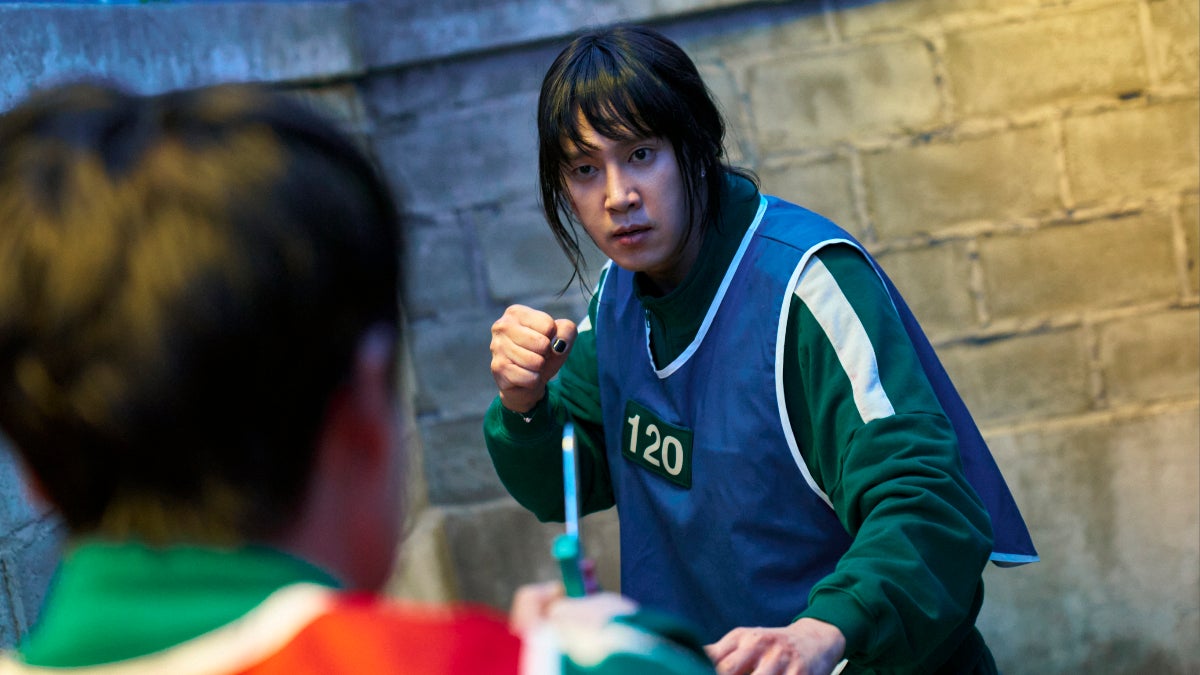
Transgender representation on television has plummeted, and for the upcoming broadcast and streaming slate, it is disappearing altogether. According to GLAAD’s latest "Where We Are on TV" report, only seven of the 369 LGBTQ+ characters tracked across the 2025–2026 television season were transgender—an almost 80 percent drop from the previous year. Worse still, none of those seven characters are scheduled to return next season.
The vanishing act is largely a function of cancellations, series finales, and one-off formats. Three of the seven characters appeared on shows that have since concluded or been canceled: The Family Law, Community Squad, and Squid Game. The remaining four appeared in Netflix limited series (The Dead Girls, Monster: The Ed Gein Story, Unspeakable Sins, and Wayward), leaving no ongoing scripted series with a returning trans regular or recurring character on the immediate horizon.
A Broader Retreat in LGBTQ+ Visibility
The steep decline in trans characters mirrors a wider contraction in queer representation across the television landscape. GLAAD counted 369 LGBTQ+ characters overall during the 2025–2026 season, down 25 percent from the 489 counted the year before. While that overall drop was slightly less severe than GLAAD’s earlier projection—which estimated that 41 percent of characters would not return due to cancellations and exits—the report highlights another troubling regression: only 44 percent of queer characters on television were people of color, marking an eight-year low and falling below the 51 percent recorded the previous year.
The numbers have sparked sharp debate among viewers over why studios are pulling back and how characters are written in the first place. One viewer expressed frustration with how underrepresented groups are often framed on screen, writing, "Don't write the script for the actor with a certain trait in mind all the time, just let them exist in a role like every other person with their trait does in society, all the time." Others pointed to casting bottlenecks and studio risk aversion, arguing that executives frequently rely on a tiny handful of recognizable names rather than investing in broader talent pools. As another commenter observed, "They are also afraid to have teans people play just regular roles. Not every part a trans actor gets needs to be 'look at me im trans' but thats all they seem to get."
Politics, Public Perception, and Industry Caution
GLAAD’s Associate Director of Entertainment Research and Analysis, Raina Deerwater, suggested that the sharp downturn was likely driven by the intense anti-trans political rhetoric of recent election cycles. However, she pointed to recent midterm election results—where several candidates running heavily on anti-trans platforms suffered decisive losses—as evidence that public sentiment may be shifting away from culture-war hostility. "The people are speaking … it’s just a matter of making sure that the right people are listening," Deerwater said, urging cisgender and straight executives in Hollywood to use their influence to back trans storytellers.
Viewers discussing the report were divided on whether political shifts alone will reverse Hollywood's retreat. Some argued that wedge issues, particularly debates over transgender athletes, have left a lingering imprint across party lines that makes risk-averse studios hesitant. "When i tell people my wife is trans, they are supportive but they do tend to say something about it being ‘unfair in sports, right’?" one person noted, illustrating how narrowly framed political talking points have shaped everyday perceptions. Others expressed skepticism that entertainment conglomerates will take bold creative stances without sustained pressure, noting that even when political winds shift, corporate caution tends to linger.
Leaving Money—and Audiences—on the Table
From a purely commercial standpoint, GLAAD argues that Hollywood’s retreat makes little financial sense. While networks and streamers have scaled back queer characters, audience appetite for LGBTQ+ stories has proven remarkably strong—particularly among Gen Z viewers, who are 61 percent more likely than the average American to discuss television on social media and 55 percent more likely to talk about programming with friends.
Recent breakout hits underscore that commercial pull. Netflix’s The Hunting Wives doubled its viewership in its second week to top streaming charts, while Crave and HBO Max’s Heated Rivalry became HBO Max’s most-watched acquired scripted series ever, peaking at 52 times average audience demand. GLAAD President and CEO Sarah Kate Ellis called the decision to slash LGBTQ+ storylines amid rising demand a "bad business decision."
Deerwater noted that studio executives often misread why diverse hits succeed, rushing to copy surface-level tropes rather than recognizing the appeal of authentic queer storytelling. "It’s so funny that ‘Heated Rivalry’ came out — huge hit — and everyone’s like, ‘I know what we need: more hockey,’" she said. "I’m going to go out on a limb and say maybe the hockey wasn’t the big thing why people liked the show."
Because GLAAD’s annual tally only counts shows airing during the current season, new or unannounced projects could eventually bring trans characters back to the screen. For now, however, television enters a new season with a glaring absence—one that leaves both advocates and audiences questioning why an industry driven by ratings would turn away from stories viewers have repeatedly shown they want to watch.

